



When thinking of reliable and efficient packaging solutions, hot melt adhesive tape is certainly a clear leader. This novel adhesive technology captures significant attention for enhanced bonding strength, durability, and versatility. Wide-ranging applications engulf different industries. Whether you deal with high-volume shipping or need secure packaging for fragile items, knowing how hot melt adhesive tape works and its benefits can change the game for you. This article will discuss what makes this kind of tape the most sought after for packaging applications, such as its distinctive features, primary advantages, and best use scenarios. By the end, you will understand why hot melt adhesive tape might be ideal for your business.
What is Hot Melt Adhesive Tape?
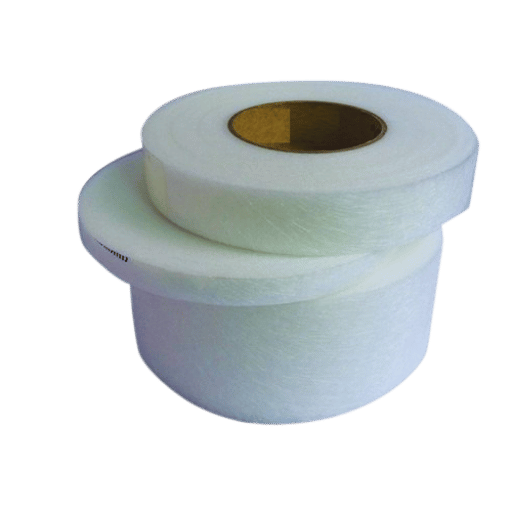
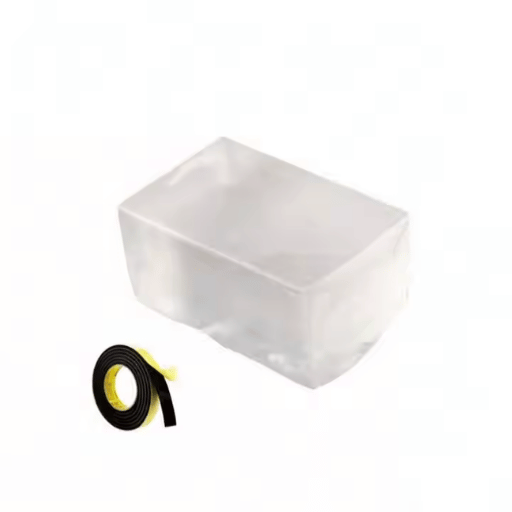
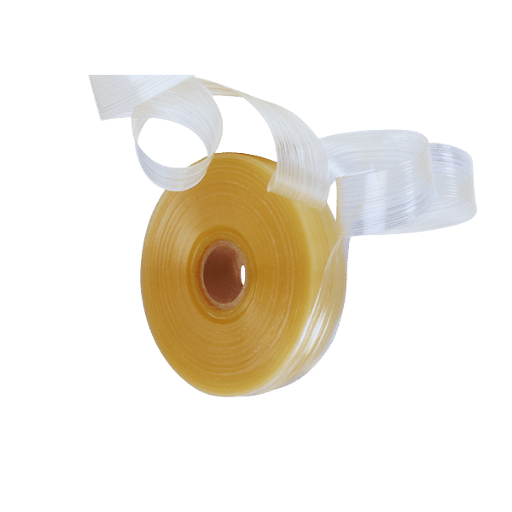
A hot melt adhesive tape is a form of pressure-sensitive tape that employs thermoplastic glue. These adhesives are applied while in a liquid form and subsequently solidify once cooled. This tape is commonly employed for packaging, sealing, and industrial tasks due to its strong, lasting bond, rapid adhesion, and temperature-shift resiliency. Additionally, its ability to stick to cardboard, plastic, and metal makes it suitable for both light and heavy tasks.
Benefits of Hot Melt Technology
The reasons why hot melt technology is used in different industries are its benefits. The time it takes to secure a bond is the quickest, which results in improved productivity, less halting time, and increased efficiency. The bond is permanent and will stand the test of time, even under stress, temperature shifts, or other factors. Additionally, hot melt adhesives do not contain solvents, making these adhesives safe to use even in sensitive places and environmentally friendly. These adhesives serve a variety of purposes since they effectively bond wood, plastic, paper, and even metal, guaranteeing dependable performance in various projects.
Components of Hot Melt Adhesive Tape
The constituents of hot melt adhesive tape are instructively important because they dictate how it operates, performs, and how durable it is. These constituents include:
Adhesive Polymer
The adhesive polymer’s role is as the main binder which affects the flexibility and strength of the tape. The polymers traditionally used are ethylene vinyl acetate (EVA), polyolefins, and even styrenic block copolymers (SBCs). These materials are known for their phenomenal appliqueal thermal stability and vigorous adhesion to a variety of surfaces.
Tackifying Resins
Tackifying resins increases the already sticky nature of the bondable surfaces and thus, are very important for instantaneous bond. Usually, tackifying resins are of natural and synthetic origin such as hydrocarbon resins, rosin esters, and even some terpene resins.
Wax or Oils
The wax or oil use helps to improve the adhesive’s viscosity as well as its spreading capabilities while being applied to a surface. Furthermore, these additives improve flexibility, while reducing setting times required to achieve strong bonds.
Antioxidants
Ingredients such as Antioxidants added to the blend lose their strength due to heat, ultraviolet light, or oxygen being introduced. This helps keep the glue strong for longer durations and prevents yellowing or brittleness for a long time.
Release Liner
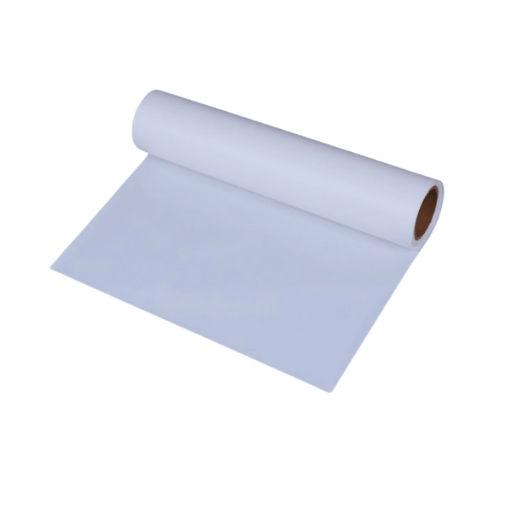
A release liner is a protective covering which consists of silicone coated paper or film. It helps in protecting the adhesive layer prior to application while making handling and storage easier.
Base or Substrate Film
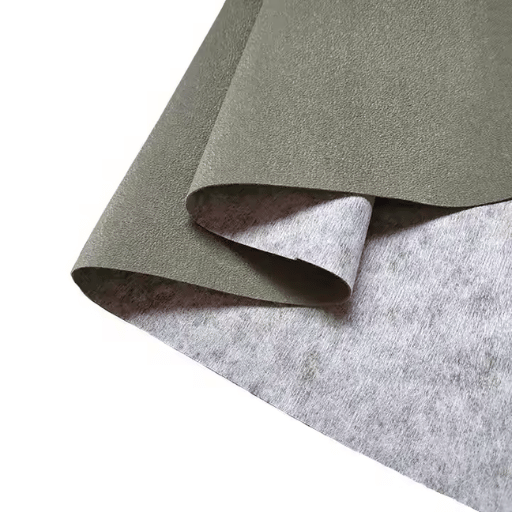
The base or substrate is something that has to be made of materials like paper, PET, and PP. It acts as the structural support of the adhesive. This layer is also a primary determinant of the tape’s durability, tensile strength, and environmental factors such as moisture, abrasion, etc.
The combination of these components results in a versatile and reliable tape that can be used in various industries such as construction and packaging. Modern challenges focused on efficiency and environmental friendliness are being tackled with hot melt adhesive tapes throughout the materials science industry to keep up with contemporary requirements.
Advantages of Using Hot Melt Tape
- Strong Adhesion: Hot melt tape boasts remarkable surface adhesion with plastic, metal, wood, and paper which amplifies its strength and durability in both light and heavy duty tasks.
- Fast Bonding Speed: This kind of adhesive requires no more than a couple of seconds to dry, guaranteeing swift production and assembly line standstill times, which enhances overall productivity.
- Temperature Resistance: These types of tapes can sustain a wide range of environmental influences, both high and low temperature conditions, making them useful in many different fields.
- Environment-Friendly: Certain hot melt wraps employ low-VOC formulations and are devoid of damaging solvents, making them eco-friendly products.
- Cost Efficient: Their economical production and minimized waste quantify these hot melt wraps as a more advantageous adhesive solution.
- Versatile Applications: Various fields like packaging, automotive, electronics, and construction make use of hot melt tapes. In packaging, it securely seals cartons, while automotive applications dampen sound and harness wires.
- Resistance To Moisture and Chemicals: Hot melt tape has great resistance to water, oil, and chemical exposure making it useful in extreme working conditions.
- Customizability: These tapes can be modified to fit specific requirements such as size, height, width, hues, and even the strength of the sticky bond, guaranteeing maximum efficiency for particular industrial operations.
Offering these benefits allows hot melt adhesive tapes to fulfill the increasing needs for effectiveness, flexibility, and environmentally friendly products in contemporary industries.
How to Use Hot Melt Tape in Packaging?
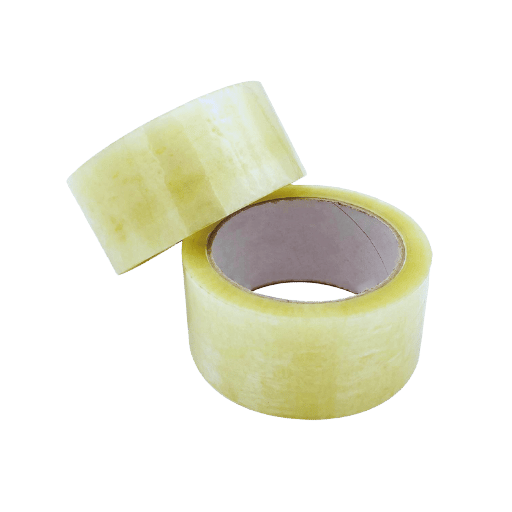
Step-by-Step Application Process
- Surface Preparation: Cleaning the surface to be taped must be done adequately: it has to be free from dust, grease, and any other forms of debris. A clean surface is critical for the adhesive to bond securely.
- Tape Selection: Select the proper hot melt adhesive tape based on the requirements of the packaging material and application. Take into consideration the strength of the tape, type of adhesive, and surface compatibility. For instance, pressure-sensitive hot melt tapes work well for corrugated boxes and high-speed applications.
- Cut the Tape to Size: Use a dispenser or cutting tool to measure and cut tape to length, ensuring precision. Some dispensers also provide a consistent level of tension which greatly improves application accuracy.
- Apply the Tape: Position the tape on the package so that it aligns with the placement markings, ensuring even application. Obliterating bubbles and wrinkles throughout the entire area. Consistent pressure improves adhesion – studies state that consistent pressure improves bonding strength by up to 30%.
- Seal the Edges: Focus most of your attention on the edges of the tape: Line edges with a tape; these line are critical for maintaining the seal’s integrity. Apply pressure to ensure the tape adheres to the surface.
- Seal Checking: After application, do a preliminary inspection to check if the tape has adhered fully. This can be done by looking for loose edges or gently pulling on the tape. Proper seals increase the durability of packages and decrease the likelihood of tampering.
- Storage and Handling: Avoid extreme temperatures as heat and humidity can impact the adhesive qualities of the packaging tape. Research indicates the best temperature for storing adhesive tape to be between 60°F and 80°F (15°C and 27°C), as this increases shelf life and ensures adhesion.
Adhering to these suggestions ensures that applications using hot melt adhesive tape are effective and dependable throughout their intended use.
Tools Required for Application
The effective use of hot melt adhesive tape requires the following tools:
Surface Cleaning Equipment:
Commercial-grade surface cleaners, alcohol wipes, or lint-free cloth surface Cleaners are vacuum devices and dusters designed to eliminate loose contaminants, including dust or more firmly adhering residues like grease and oil. An operating area that is uncluttered serves to maximally boost the bonding with the adhesive.
Measuring Tools:
A ruler, along with a measuring tape, can facilitate the accurate determination of the required length of tape so that it meets the set requirements for uniform standards in packaging.
Tape Storage and Application Tool:
A pressure-sensitive tape dispenser, commercially referred to as a tape dispenser. The tool should measure out tape and serve up halves during each subsequent step without excess slack into a neat pile. The boundless tape holder is meant for the neat storage of tape that cannot stay permanently attached to a backing material. Other than holding and storing tape, other optional functions are available for packaging or construction-grade tape dispensers. It is suggested that tape dispensers be upgraded for construction and packaging for industrial-scale purposes.
Adhesion Pressure Roller:
A pressure roller supplies the correct amount of weight proportionate to the size of the tape to ensure effective adhesion during application because pressure needs to be applied uniformly to all places. Also, the tool works to lessen obstructions so that imperfections in less adhesive areas because of uneven surfaces will not impede tape settling over multi-dimensions. The tool is designed not only for surface applications but subsurface as well where flat, even pressure needs to be exerted alongside lateral movements to remove excess air.
Heated Adhesive Device:
The pressure-sensitive tape will restore its adhesive properties after warming using a heat gun, which also applies pressure along with heat from emitted radiation. Flexible warm air emitted from a hand nozzle will activate the tape negatively without flow to make placement uncontested along a flat substrate for automatic damping. Low-friction mounting is established free of tension, with trigger-active friction or expansive pressure between the object’s surface and porous strips.
Each instrument is critical to accomplishing accurate, safe, and effective application of tape. Taking care of these instruments properly will keep them functioning optimally as well as extending their service life.
Common Mistakes to Avoid When Using Hot Melt Tape
Improper Surface Preparation
Binding surfaces that need utmost attention tend to be one of the most overlooked construction problems. Dust, dirt, moisture, and oils can be detrimental to an adhesive’s efficiency. In industry surface cleaning tests, achieving surface preparation by cleaning it with isopropyl alcohol and letting it fully dry often enhances adhesion exceeding 25%.
Incorrect Storage Conditions for the Tape
The adhesion strength of hot melt tapes is significantly impacted by extreme temperature and humidity during storage. For optimal performance, sustaining storage conditions at room temperatures of 60 ° F to 80? F and low relative humidity are ideal. Improper storage conditions can lead to loss of strength. Studies indicate that it can lose up to 15% of its bonding strength over time.
Using the Wrong Tape for the Application
Another often overlooked issue is mismatched application. Each hot melt tape type has specific material, temperature, and stress ranges. Certain tapes made for high-temperature applications can endure as much as 400°F, while others aren’t designed to last long exposed to such heat. For example, standard tapes tend to fail above 200°F.
Facing Issues From Lack of Pressure Application
The application of hot melt tape will require a specific amount of pressure to be applied in order to create a strong bond. If proper pressure is not achieved, adhesion failure will surely occur, which will compromise the structural integrity of the bond. Studies show the use of a pressure roller has proven advantageous and can increase initial bonding strength by 30% when force is uniformly distributed.
Ignoring Surface Material Compatibility
Not all tapes adhere equally well to all materials. Some substrates, like “polypropylene,” a kind of low-energy plastic, often need specially designed adhesives. Ignoring compatibility risks as much as 40% weaker adhesion in comparison to using optimal tape formulations.
Inappropriate Environmental Conditions For Application
The ideal range for the tape application is said to be anywhere above 50°F, while below can lock up the bonding process. Studies suggest adhering to the manufacturer’s recommendations helps significantly enhance the quality of the bond achieved, heightening reliability and structural durability.
Making sure these specific blunders are avoided will enhance efficiency, durability, and overall lifespan, particularly in industrial and commercial settings, when using hot melt tape.
What are the Different Specifications of Hot Melt Tape?
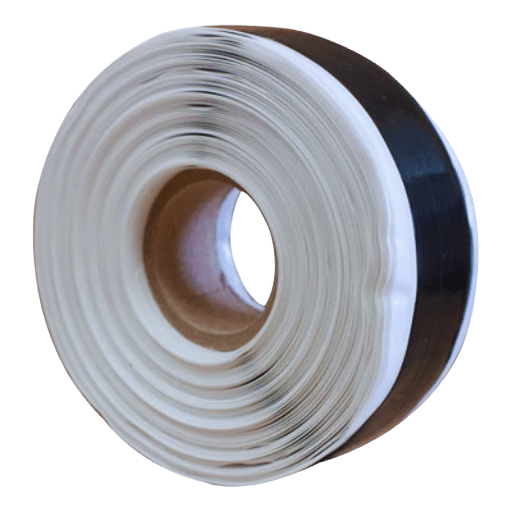
Understanding Grade Hot Melt Options
Different grades of hot melt tape are available, each tailored for distinct applications. The most commonly known grades are:
- Standard Grade: This grade caters to general-purpose needs. It is used for sealing light and medium-weight cartons in normal surroundings.
- Premium Grade: Works best for heavy-duty applications. It is highly adhesive and more durable when used for packaging big or heavy items.
- High Performance Grade: This grade is made for extreme calamitous conditions such as high temperature or condensation. It is effective in primal bonding in critical environments.
Choosing the right grade ensures optimal performance and successful application in any case scenario.
Choosing the Right Hot Melt for Different Substrates
In achieving optimal performance, adhesion with the right hot melt adhesive should be selected for the right material. Each material has unique properties that determine the effectiveness of the adhesive, including surface porosity, smoothness, and energy. Here, we explain how to choose the right hot melt for some of the most popular substrates:
Polypropylene, polyethylene, and other plastics
Some types of plastics have low surface energy which makes adhesion rather difficult. Substrates with APAO (Amorphous Poly Alpha Olefins) hot melts advanced polymers bonded to them have excellent adhesion and bond strength. Also, other treatments such as corona or plasma treatment enhances the effectiveness of adhesives on plastics.
Wood
Obtaining adhesion for a wood substrate can be challenging due to its fibrous and porous nature. EVA (Ethylene Vinyl Acetate) hot melts are often chosen for woodworking applications because their open time is long enough to allow for initial positioning but strong enough to be committed at the end.
Metal
Surfaces of metals are smooth and non-porous, demanding hot melts with great cohesive strength and heat resistance. For bonding metals, reactive polyurethane (PUR) hot melts are usually suggested due to their capacity to cure by moisture with dense, durable bonds that withstand mechanical and thermal cyclic forces.
Cardboard and Paper
In the form of sheets, cardboard and paper are important in packaging. They need hot melts that set instantly. Standard EVA or metallocene hot melts work very well for these substrates as they give sufficient tack for closure even during high speeds of production.
Glass
To bond glass, the adhesive must be clear and flexible on the bond line. Silicone-based hot melts are frequently chosen to ensure clarity while permitting the glass to expand or contract thermally.
Additional Considerations for Substrate Matching
Different substrates have different rates of expansion and contraction. The use of hot melts operational in extreme temperatures, or thermal cycling, is essential in assuring bond integrity.
For demanding or high-load applications, adhesive selection must include those with excellent flexible shear strength and rigid Body.
Cleaning the surface of substrates by removing contaminants such as oil, dust, and grease greatly enhances bonding performance.
Experts recommend that adhesion tests be done in the field to confirm the best hot melt for your needs. As long as the adhesive characteristics to the substrate and the operational needs are properly calibrated, any bonding problem can yield optimal results.
Environmental Considerations and Resistant Properties
With relation to environmental factors, I pay particular attention to adhesives that can endure extreme temperatures, high humidity, and even ultraviolet light exposure to guarantee long-term durability. Highly challenging conditions demand strong performance in chemically protective properties, thermal stability, and even the ability to resist flow at elevated temperatures. Meeting the hot melt adhesive’s functionality performance and reliability standards is possible after evaluating the specific needs of the environment in which the adhesive will be used.
Why Choose Hot Melt Tape Over Other Sealing Solutions?
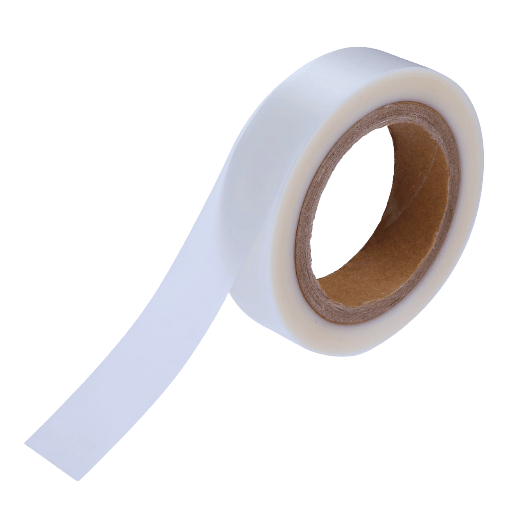
Comparing Hot Melt with Traditional Glue and Tapes
The efficiency benefits of hot melt tape as compared to traditional glue and tapes are remarkable. Hot melt tape improves productivity as it removes the drying times liquid glue typically requires. It also performs better than conventional tape to bond with rough materials and uneven surfaces. In addition to its ease of use, hot melt tape bonds permanently and has stronger adhesion than ordinary tapes in severe temperatures, humidity, and water, making it reliable for difficult applications. Through its precise use, preparation, and clean application, hot melt also performs better than standard tape.
Cost and Efficiency Benefits of Hot Melt Tape
Various industries consider hot melt tape because of its remarkable cost-efficiency benefits. One of its primary advantages is its durability, which translates to long-term cost savings. The strong adhesion of hot melt tape reduces product failures or reworks during packaging as well as material waste and costs. Businesses that utilize hot melt tape report 20-30% less consumption of tape, compared to water or acrylic based options, due to the reduced number of wraps needed per application.
Moreover, hot melt tape improves employee productivity. Its fast-acting adhesive reduces the time taken to apply tape, which leads to faster sealing and shorter production cycles. For instance, hot melt tape increases productivity in high-speed packaging because it performs well in automated systems. Less maintenance or recalibration of equipment further reduces costs.
From a purchasing standpoint, hot melt tape tends to be cheaper per unit than more specialized options, while still outperforming them on strength and resistance to environmental conditions. Along with lessened usage of materials and increased efficiency, this affordability improves overall effectiveness for businesses. As such, there are immediate benefits as well as long-term operational enhancements from adopting hot melt tape.
Durability and Holding Power of Hot Melt Tape
Hot melt tape can be relied upon in various industries as it is exceptionally durable and has significant holding power. It’s sticky nature comes from the thermoplastic polymers and tackifying resins from which it is made as well as the materials comprising it. These materials have strong bonding capabilities that withstand stress and variations in temperature, providing resistance to peeling, tearing, and exposure to moisture and humidity.
As hot melt tape is known to outperform many traditional methods of adhesives, its industry statistics are known to be favorable about hot melt tape’s high tack and tensile strength. Properly applied hot melt tape is known to adhere at -22F to 176F (-30C to 80C), guaranteeing dependability in freezing hot environments as well as on smooth surfaces where the shear strength exceeds 35 psi. Hot melt tape can sustain immense weight and pressure for long durations.
Also, the tape withstands aging processes and continues to perform adequately after prolonged exposure to UV radiation or oxidation. This durability minimizes the chances of adhesive failure, which is critical in packaging, construction, and automotive industries. Its effectiveness in retaining seals under extreme conditions also makes it ideal for demanding applications, such as the heavy-duty packing and sealing of rough, dirty, or irregular surfaces.
With a blend of economical pricing and high structural integrity, hot melt tape reigns supreme as an industrial-grade adhesive across multiple industries.
How to Store and Handle Hot Melt Tape?
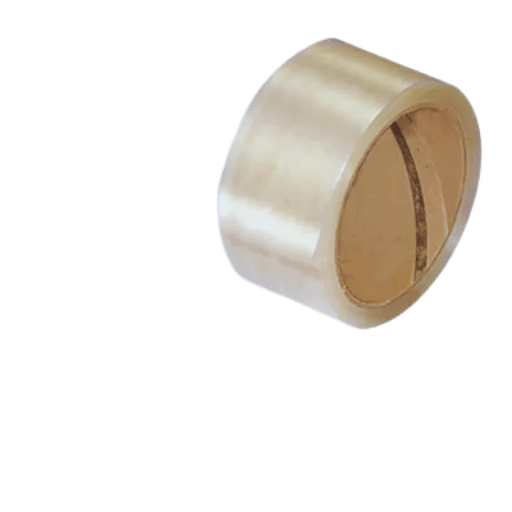
Best Practices for Storage
In order to maintain the adhesive properties of hot melt tape, Proper storage of hot melt tape is a form of maintaining its properties. For best performance, the storage environment needs to be clean and dry while maintaining a temperature of 15°C to 25°C (59°F to 77°F). The tapes adhesive bonds and structural integrity are weakened if exposed to high or low temperatures.
Like all products, it is also advisable not to leave the tape exposed to sunlight and hot humidity as they may result in aging or loss of adhesion. When preserving the hot melt tape’s shelf life, the original packaging will protect the tape from dust and moisture. Also, to prevent deformation, the rolls should not be stacked too high.
Tape should always be stored in a horizontal position. This reduces the risk of deformation which can affect its application. Following these guidelines can ensure precision application for industrial use.
Handling and Safety Measures
Following protocols and handling processes, especially for hot melt tape, is essential in avoiding problems during the use of the material and its application. Wearing personal protective equipment in the form of gloves, sticky tape operators can avoid skin damage from irritation or injury during the use of the tape over long periods. It is also necessary to ensure the place of work is tidy and clean since dirt and other foreign particles can render the working hot melt adhesives ineffective.
For optimal adhesive bonding, careful monitoring of temperature has to be kept within the recommended application range of 120°C (248°F) to 180°C (356°F) for most manufacturers. Failure to keep these bounds can drastically impair the bonding capabilities of the material. In addition, insufficient temperature may call into question the space’s bonding ability, yet too much heat is just as damaging. For environments where hot melt tape is sought after, employing automated machines that regulate temperatures is precise and safe.
Industry studies show that proper maintenance of the equipment used with hot melt tape can decrease the risk of malfunctions occurring by 30%. Moreover, workplace airspace needs to be adequately ventilated to remove any potentially harmful fumes emitted during application, in compliance with health and safety rules. Following these practices enhances the functioning of hot melt tape while eliminating risks to the operators and the workplace.
Maximizing Shelf Life of Hot Melt Tape
Hot melt tape like most tapes requires proper handling, storage and maintenance of the adhesive so that its effectiveness and shelf life is preserved. Research indicates that hot melt tapes generally have shelf life of one to two years depending on their composition and storage conditions. It is best to store the tape in a clean and dry place with the temperature ranging between 60°F to 80°F (15°C to 27°C) for best results.
Furthermore, the adhesive properties of the tape can be damaged by direct sunlight or high humidity; therefore, these factors should also be avoided. In addition, keeping the tape in its original packaging, dust or debris can negatively impact the performance of the tape. Using the older stock first when rotating inventory ensures that no rolls are stored beyond their effective usability period. With this step, the adhesive’s condition can be monitored regularly too, prolonged storage under unfavorable conditions can cause a loss of stickiness. Following these guidelines will help the user make sure that hot melt tape can work its best throughout its expected shelf life.
Frequently Asked Questions (FAQs)
Q: What is hot-melt adhesive tape used for in packaging?
A: Hot-melt adhesive tape is popularly used for sealing packages and cartons as it is durable and strong. Furthermore, hot melt tape is used in packaging industries because it sticks quickly to many types of surfaces, including cardboard and corrugated materials.
Q: How does hot-melt adhesive tape compare to other types of packaging tape?
A: In comparison to other types of packaging tape, hot melt adhesive tape is unequalled in the initial tack and bond strength. It is vastly used in middle and extreme temperature regions as it is easy to use and applies to multiple uses such as case sealing and bulk packaging.
Q: Can hot-melt adhesive tape be used on all surfaces?
A: Hot-melt adhesive tape can be used on numerous surfaces, such as fabric, metal, and cardboard. However, to achieve good bonding, surfaces need to be clean and dry. Also, PVC and aluminum surfaces can be used.
Q: What are the advantages of using hot-melt adhesive tape for packing?
A: For packing and mounting purposes, hot-melt adhesive tapes have considerable benefits such as easy management during application, superior packing, time-saving benefits, improved productivity ensuing enhanced workflow, high-temperature reliability, and impermeable adhesion or waterproof seal.
Q: Is hot-melt adhesive tape environmentally friendly?
A: Yes, some manufacturers of hot-melt adhesive tapes aim to reduce their carbon footprint with sustainable thermoplastic resins. Unlike conventional adhesives and tapes, these types of hot-melt products are less damaging to the environment.
Q: Can hot-melt adhesive tape be used for electronics and circuit boards?
A: Hot-melt adhesive tapes are applicable to the electronics industry in such application as cable bundling and component securing on the circuit boards. Its sharp bonding and thermal resistance are ideal for use in a wide range of electronics.
Q: What brands are known for producing high-quality hot melt adhesive tapes?
A: 3M and Shurtape are hot melt adhesive tape manufacturers of international repute. Like many companies, they have developed a range of products that address hot melt packing tape concerns, which are reliability and durability when sealing and securing items.
Q: How can the use of hot melt adhesive tape automate packaging processes?
A: The use of hot melt adhesive tape together with sealers can fully automate the sealing stage of the packaging process, which, as a result, reduces manual work. Such automation helps achieve an optimal level of sealing consistency and increases the scale of productivity in packaging processes dealing with high quantities of goods.
Q: What should be considered when selecting hot melt adhesive tape?
A: Features like substrate, bond strength, ambient temperature, and support features like being waterproof and easy to use are other important considerations to ensure the hot melt adhesive tape is suitable for the specific application that is intended.
Reference Sources
1. Adhesive Tape for Mosquito Eradication Lamp, Hot-Melt Adhesive of the Adhesive Tape and Preparation Method of the Hot-Melt Adhesive
- Submitter: 周飞鹏
- Submission Date: December 3, 2007
- Study Focus: Materials Science
- Abstract: This work exemplifies an industrial use of hot melt adhesive where it is utilized in the construction of a mosquito eradication lamp. It describes the processes of making the adhesive tape and assesses the efficiency of the tape in surface adhesion (周飞鹏, 2007).
2. Use of Hot Melt Adhesive System in YP13 Case Filling and Sealing Machine
- By: He Quan, Ouyang Xiongbo, Wu Gang, and Tang Lian
- Published on: 13 January 2014
- Research Areas: Engineering Discipline
- Abstract: This work deals with the incorporation of a hot melt adhesive system to a cigarette case filling and sealing machine. The authors describe modernizations of the machine, particularly focusing on implementing a hot melt adhesive system, which lowered error rates and enhanced packaging quality (Qual, 2014; Quan et al., 2014).
3. Hot-Press Adhesive Tape
- Author: 江日新
- Published On: 2013年11月13日
- Study Area: Material Science
- Overview: This research paper is concerned with the technology of hot-press adhesive tape with special reference to its uses and advantages over other manufacturing methods as well as the benefits of hot melt adhesives in tape applications (江日新, 2013).
5. Adhesive