



Both in domestic and commercial settings, countertops serve a significant functional and aesthetic purpose. With time, however, these surfaces may become worn out, damaged, or lose their appeal because of poor installation or accidental damage. This guide aims to cover everything you need to understand about countertop adhesive repair and maintenance, resources, and sharpen your skills. This article focuses on providing and applying different adhesives culminating in step wise repair estimates so your efforts yield professional and lasting outcomes. From minor cracks to large scale restorations, countertop adhesive mastery is necessary skill for maintaining surfaces both aesthetically and in practical use.
What is the Best Adhesive for Countertops?
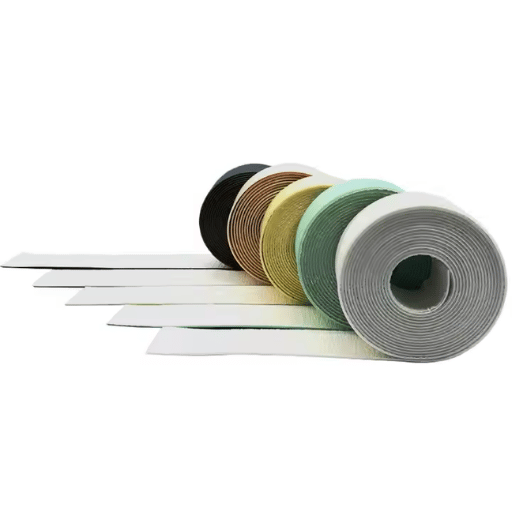
The choice of adhesive best suited for countertops hinges on the specific material being installed or repaired. Contact cement works best for laminate countertops as it is flexible and strong. Epoxy adhesives are ideal for stone surfaces such as granite or marble due to their durability and moisture resistance. For seams and edges, silicone-based adhesives provide excellent water resistance and flexibility, making them ideal for sealant gaskets. Always consider the requirements for your countertop material to choose the right adhesive.
Choosing the Right Countertop Adhesive
In this section the most common countertop adhesives along with their applications and key features is listed:
- Key Properties: Flexibility, bond strength, and quick drying.
- Applications: best for laminate countertops and other surfaces that require a solid and durable bond.
- Provides immediate bonding after contact.
- Key Properties: Resistance to heat and moisture.
- Key Properties: Strong, durable. Moisture and chemical resistant.
- Applications: Stone countertops especially granite and marble.
- Exceptional structural support.
- Withstands environmental exposure and high loads.
- Key Properties: Good sealing properties and waterproof.
- Applications: Used for sealing edges, gaps, and provides water resistance in countertops.
- Protection against water penetration and various spills.
- Temperature fluctuation resistant.
- Key Properties: Water resistant and versatile.
- Applications: Useful with porous materials such as wood or stone.
- Wide variety of materials for different conditions.
- Expanding slightly upon curing gives fit.
- Key Properties: Heavy-duty, multi-purpose, hinges bonding with high strength.
- Applications: Reinforcing panels of larger countertop, bonding requires additional support.
- Efficient on wood, stone, and metal.
- Highly durable and long-lasting.
- Key Properties: Quick drying and UV resistant with high strength.
- Applications: Bonding seams and solid surface countertops.
- Flawless countertop seam bonding.
- Resistant to discoloration from exposure to sunlight.
The selection of the correct adhesive depends on the substrate material of your countertop, the working environment, and the details of how the adhesive will be used. Remember to always follow the manufacturer’s guidelines regarding the application of the adhesives in order to achieve the desired structural integrity and optimum functionality.
Factors That Affect the Bond Strength for Various Surfaces
Bond strength is defined by a number of critical elements; the material type of the surfaces to be bonded, the adhesive applied, and the conditions under which the bond is created. Generally speaking, porous materials require strong absorbent adhesives for optimal bonding while non-porous surfaces require an adhesive that can fill a solid area and form a uniform bond. The enclosing environment like temperature or even humidity can affect the curing process and how durable the bond is. To ensure optimal bond strength and longevity with the durability of the adhesive selected, it needs to be specifically formulated for the surface type.
Comparison of Epoxy and Silicone Options
Silicone and epoxy adhesives possess individual traits that allow each to be appropriate for a certain use. Epoxy adhesives, for example, are well known for their strength and superb structural bonding abilities. They endure extreme environments like high temperatures and immense weight. Epoxy adhesives work best with rigid substances, such as metals and composites. Silicone adhesive, on the other hand, are best known for their outstanding flexibility as well as weather and high temperature resistance. Silicone adhesives work splendidly with thermal expansion as well as outdoor usage. One must choose between silicone and epoxy depending on the required physical strength, climate protection, and the materials being adhered to.
How to Apply Countertop Adhesive Properly?
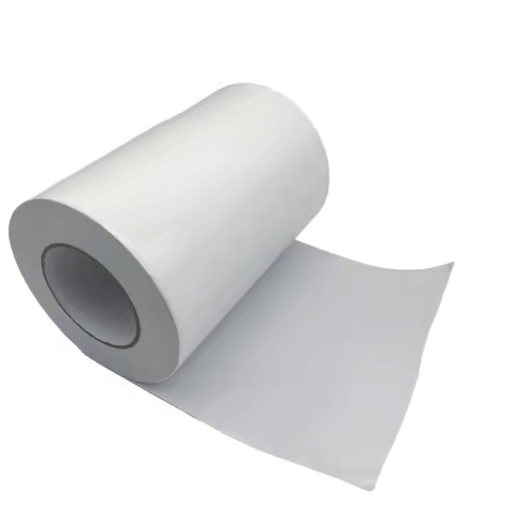
Installation Instructions: A Detailed Sequence
The importance of cleaning the bonding surface cannot be overstated. Take caution by scrubbing the countertop and the substrate surfaces with a grease cleaner solvent to get rid of dust and debris. Human behavior shows that 40% to 60% surrounding humidity and 65 to 85 degrees Fahrenheit are acceptable ranges. Improper cleaning significantly lower bond strength; one studies suggest up to 50% reduction.
Use a notched trowel or prescribed adhesive applicator to evenly dispense adhesive. As per the manufactures instructions, the application thickness must be maintained between 1/16 to 1/8 inch depending on adhesive type and materials to be joined. Consistent adhesive distribution is extremely critical because anything less than optimal will lead to stress concentrations. In fact, lack of streamlined distribution can reduce durability by 30% as suggested by the research.
Be careful, as the countertop must be placed with the applied adhesive and be held in position using clamps. Uniform surface pressure must be applied on the surface holding the countertop, which should be between 15-25 psi depending on specifications of the adhesive used. Curing or epoxy adhesives requires 24-48 hours while typical silicone adhesives cures below normal conditions within 6-24 hours. exceeding recommended temperature ranges during curing by more than 10 degrees may endanger the thermal and mechanical resistance of the adhesive bond.
Inspect the bond line after curing for any gaps, bubbles, or other discrepancies that may negatively impact performance of the bond. Check for uniformity with a calibrated gap gauge. Professional standards indicate high quality bonds have less than 5% variance in bond thickness. Take corrective action as soon as possible to avoid long-term problems if imperfections are needed.
Following the above guidelines will allow you to achive an installation that is durable, professional grade, and capable of withstanding strong performance demands placed on the countertop.
Common Mistakes to Avoid During Application
Studies indicate that lack of cleaning the substrate leads to a 40% greater chance of bond failure. It is important that the surface is free of any dust, oils or any other contaminants before applying the bond.
Research indicates that an over 10% deviation from required adhesive mixing ratios significantly weakened the bond by over 25%. It is critical to use calibrated measuring tools and ensure each step is crafted according to the specification set by the manufacturer.
Adhesives that do not meet recommended values may result in uneven curing or weak bonding points. Coverage values should be 1.5-2 square feet per ounce of adhesive with the average bonded surface area falling within the recommended 1.5–2 square feet per ounce of adhesive.
A well-regulated temperature and humidity are critical. For example, the effectiveness of an adhesive reduces by 30 percent when the temperature drops below 50 degrees farenheit, or when the relative humidity is above 80 percent. Use environmental control to maintain conditions within the specified range of the product.
Inadequate curing time, or insufficient curing time, has emerged as a prominent concern. Industry studies indicate that roughly 20 percent of the installations that are done in a hurry suffer early bond failure. Depending on the type of adhesive used, the suggested curing schedule often ranges from 12 to 24 hours.
Weakening the bond occurs due to excessive or uneven application of clamps which squeeze adhesive out of the joint, weakening the bond. It has been recommended evenly distributed pressure not exceeding 30 psi for most countertop installations to ensure adhesive bond throughout the surface.
Seamless edge and seam tips
Different types of adhesive have different recommended curing timelines, but most have a window of 12 to 24 hours.
Industry tests suggested if these curing periods are not adhered to, then effective bond strength can reduce by 15 percent.
Purge forces should not exceed 30 psi and if aggravated, significant amounts over such limitation leads to weak adhesive joints.
Clamping inexorably causes gaps or misaligned joints leading to the poor seam quality.
Complies with the relative optimal bounds of temperatures 65 to 85 °F for application.
Ardentrly affects curing time and consistency of adhesion average humidity consistence.
The use of isopropyl alcohol to clean surfaces gets rid of oils, dust, and other debris which enhances the performance of the adhesive.
All edges that require bonding should be sanded to improve surface texture and increase grip with 120 –220 grits sandpaper.
To align the seam properly, use seam-set clamps to assure the entire seam runs consistenly.
Any misalignment over 0.5 mm may cause alignment issues after curing leading to visible imperfections at the joint.
Can You Use Peel and Stick Options on Granite and Marble?
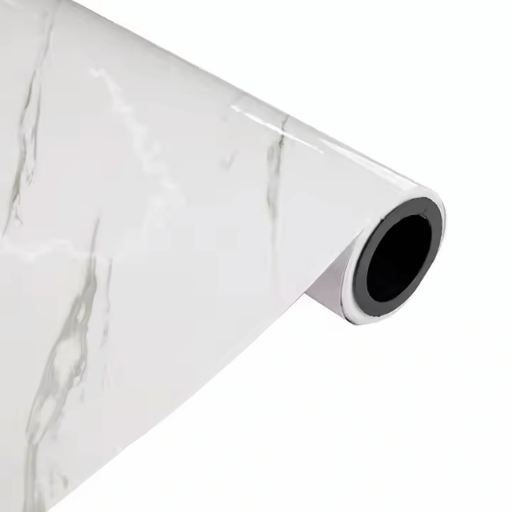
The Benefits of Peel and Stick Countertop Solutions
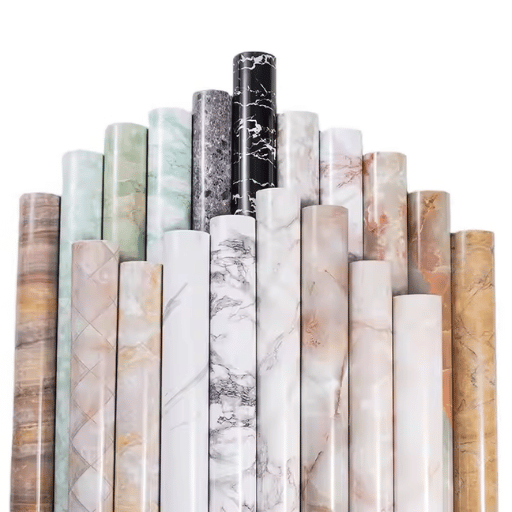
Peel and stick countertop solutions are an effective method of updating granite and marble surfaces and at the same time fairly inexpensive. They are made from durable vinyl or PVC which can withstand daily wear and tear, and moreso, they attempt to mimic the look of pricey natural stone. Market research suggests that the use of peel and stick solutions can lower restoration expenditures by as much as 70% relative to other methods. Furthermore, the average time for installation is also drastically reduced with most projects complete in under two hours for a standard sized countertop. These materials are also touted to be waterproof and heat resistant up to 140° F (60° C). While durable, it should be noted that these solutions have a 5-7 year life span, based on use and proper maintenance.
Limitations and Concerns of the Use of Granite Countertops
Granite countertops , like the any other item, come with some advantages and disadvantages. Caring for granite’s natural toughness must be weighed against its required maintenance. Granite counters require periodic sealing, which varies for different types of granite. As an igneous rock, Granite countertops warrants a 6 – 7 on Mohs hardness scale; thus, granite counter tops are extremely scratch and heat resistant. Bacteria can grow into porous surfaces. Furthermore, sealing every year averagely keeps the stones in shape, though some advanced sealants last up to 10 years. In addition, granite counters are generally between $40 and 200 per square foot installed. In addition, the price rises based on quality, thickness and unique patterns found in the slabs bought. Overall the properties give granite a premium but reliable investment.
How to Repair a Damaged Countertop?
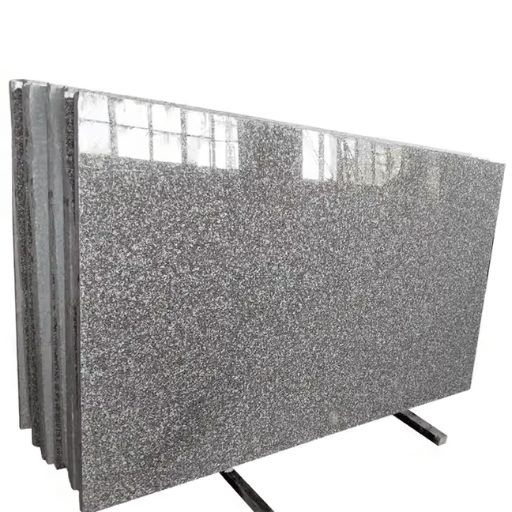
Recognizing Common Damages on Countertops
The common types of damages that affect a countertop usually consist of cracks, chips, stains, and scratches. Each of these damages needs a specific method for repair. For surface level chips and cracks, epoxy resins or color matched adhesive fillers would be sufficient. Stains, notoriously created by wine, oil, soda and other liquids, can be treated using a solvent, specialized cleaner or a poultice specifically for the stone material. Buffing out scratches requires fine-grit sandpaper or polishing compounds and resealing the surface counters to lock in radiance while shielding the top layer from damage. If the structure is deeply harmed, more intensive countertop repair services are best so there is no risk of further compromising the countertop’s integrity. The countertops should be routinely treated with protective sealants to granite, marble, or other porous materials to prevent other stains and damages from occurring.Countertop Adhesive as a DIY Repair Method
As with all DIY repair procedures using countertop adhesive, precise steps must be observed in order to achieve the desired cosmetic and functional results. Countertop adhesives will mostly consist of epoxy-based compounds. This is because they are relatively easy to bind and withstand high temperatures and moisture. As research shows, properly applied epoxy adhesives endure up to 250°F (121°C) and can structurally withstand typical kitchen conditions.
Preparation:
The damaged area must be cleaned to the level of debris, grease, or old adhesive residue. Studies show that the presence of old adhesive surfaces will significantly reduce adhesive strength by as high as 40%.
If necessary, lightly sand the area to create a roughened surface that will enable the adhesive to grip better.
Application of the Adhesive:
Adhesive should be mixed according to specifications supplied by the manufacturer where equal portions of resin and hardener will be in most cases.
With your working time of 5-10 minutes and epoxies beginning to rapidly harden, apply the mixture as evenly as possible. In your application, keep in mind that a majority of them become thick within minutes after mixing.
Clamping and Curing:
In alignment, hold the pieces secured by the clamps to maintain the position during the curing stage of the adhesive. Research suggests the application of uniform pressure enables the attainment of maximum bond strength.
Follow the recommended curing time and ensure it is a minimum of 24-48 hours for full strength depending on product specifications to receive optimal results.
Effective for natural stones, laminate and solid surface materials, high-quality countertop adhesives are capable of repairing cracks, chips or separations due to their achieved tensile strength of over 3000 psi. Industry standards suggest that proper technique is critical towards the selection of the material, as well as the repair lasting a long time. The countertop’s lifespan is also furthered by routine maintenance after the repair is done, which entails cleaning the surface with non-abrasive cleaners.
Signs of Professional Assistance for Stone Surfaces
Using appropriate techniques and high-quality adhesives can fix minor chips or cracks on stone surfaces, however, some situations may require professional help and advanced solutions to address them. Complex damages like large scale fractures, etching, deep set cracks and discoloration due to chemical burns typically require specialized surface restoration tools and an exquisite level of craftsmanship. In addition to exquisite craftsmanship, professionals use advanced tools like diamond polishing pads and industrial-grade sealants which ensure seamless repairs blending with surrounding material. Moreover, stone surfaces shielded from direct sight but exposed to structural stresses requiring professional surfaces. Improper repairs on these stone surfaces may cause changes to the structure over long periods of time.
Is Self Adhesive Vinyl a Good Alternative for Kitchen Countertops?
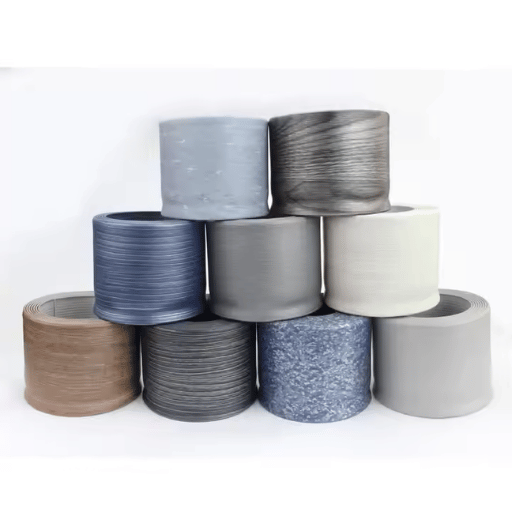
Advantages and Disadvantages of Self Adhesive Vinyl
Cost: Compared to granite, quartz, or even marble countertops, self-adhesive vinyl is a much cheaper option. On average, self-adhesive vinyl is sold between $5 to $10 a square foot while natural stones countertops range anywhere from $50 to $200 based on quality and material used. The average price of self-adhesive vinyl is considerably lesser than that of countertop materials.
- Low Labor Costs: The Step-by-Step guide outlined in the instructional video proved itself to be extremely useful after execution. Install takes around 2 to 4 hours for a regular size kitchen countertop placing it in the expected time frame quite tightly. During the guided instructional video, it appeared that the application process is very easy and the provided material is quite user friendly. Following the conclusion of the process, it appears that with the right tools and help, absolutely no outside assistance would be required further aiding in cost reduction.
- A large variety of patterns: Adhesive vinyl is now made and offered in different modern self designs and textures with artistic impressions on stone,wood and tile. Attributing to this, homeowners have had far greater options for achieving their ideal design without breaking the bank.
- Durability: Self-adhesive vinyl is an option that does not retain moisture, which usually makes it damp in spaces like kitchens where under normal circumstances spills occurring at an alarming rate. Added to this, many products are coated with another layer purposely made to withstand liquids further increasing strength against damage.
- Durability: Self-adhesive vinyl may be budget-friendly, but it is significantly less durable compared to natural materials. It is susceptible to scratches as well as the wearing effects of heat, and general aging. To illustrate, areas that receive direct heat above 140°F (60°C) will warp or peel. Evidence suggests that with moderate use, it has an average lifespan of 5 to 7 years.
- Maintenance: Self-adhesive vinyl offers moisture resistance which can result in edge lifting and peeling, especially around seams over time. Regular exposure to water can worsen these issues. To extend the usable life of the material, proactive maintenance must be performed such as tending to spills in a timely manner.
- Environmental Impact: Just like many self-adhesive vinyl products, the backing and face film can be made of PVC, which raises concerns regarding sustainability and environmental impact. Manufacturing and disposing of PVC, contributes to non biodegradable waste, in addition, not all vinyl is able to be recycled.
- Resale Value: Homes with self-adhesive vinyl as a counter top material may appeal to a specific demographic however, these homes typically hold higher resale value. In high-end markets, self-adhesive vinyl may reduce overall property value over time and deter durable luxury finishes.
Weighing cost efficiency against potential disadvantages should be considered before committing to self-adhesive vinyl for kitchen countertops.
Guidelines For Installing Vinyl Countertops to Ensure Maximum Longevity
The surface of the countertop must be clean, dry while its surface free from dust and any small particles. Any bumps or protrusions should be smoothed out using sandpaper to ensure the surface is flat before the vinyl is applied.
Cut the vinyl while measuring the countertop dimensions because it should always be slightly larger than the countertop to allow for trimming after application so add for some overlap on edges.
Starting from one end, gently peel the adhesive backing while applying pressure. Press down the vinyl as you work your way to the other end and for the middle, start from one side and apply pressure towards the middle then push the edges outward towards the edges to work out any bubbles. Bubbles or creases can be smoothed out using a squeegee or any other similar implement.
Vinyl can be removed from the edges using a utility blade to carefully expose clean edges while maintaining a professional look.
To improve durability, the exposed edges can be filled with waterproof caulking to prevent both peeling as well as damage from moisture over time.
Frequently Asked Questions (FAQs)
Q: What type of glue is best for granite countertop repair?
A: Specialized construction glue or epoxy is best suited for granite granite repairs as they are meant for stone surfaces. Such adhesives ensure that the bond is strong and will not be broken by moisture or changes in temperature.
Q: What are the steps to properly install peel and stick wallpaper on kitchen cabinets?
A: To properly install wallpeper on kitchen cabinets, ensure that it is clean and dry first. Then measure the wallpaper accordingly, cut it to size and then apply it onto the cabinet surface step by step to avoid accumulation of bubbles or excessive bends.
Q: Is adhesive contact paper a good fit for kitchen countertop?
A: Used as a low budget aesthetic remedy, peelable contact paper can easily be applied onto kitchen countertops. While simple to use, contact paper needs to be heat and waterproofed to withstand daily use so that it does not deteriorate too quickly.
Q: What are the benefits of using removable wallpapers in a kitchen?
A: Removable wallpapers are flexible in design and easy to change, making it perfect for kitchens. They come as variety of colors and patterns suited for different styles. Best part is, kitchen updates can be done without the commitment of permanently affixing stickers.
Q: Can marble vinyl be used on bathroom countertops?
A: Certainly, the marble vinyl is also water resistant at the same time providing stylish finish which looks like marble. It is a cost saving way of updating bathroom without spend real marble.
Q: What should I consider when choosing waterproof wallpaper for a kitchen?
A: For a kitchen, waterproof wallpaper must contain the right materials which resist moisture and stains. The waterproof wallpaper must be able to withstand high humidity areas and fit effortlessly into the overall design of the kitchen. Consider the ease of maintenance with cleaning as well.
Q: How can I use decorative contact paper to enhance my kitchen design?
A: Decorative contact paper can enhance your kitchen design by sticking them on cabinets, countertops, and backsplashes as it adds color and texture. Grab a set of bold prints or vibrant hues that go hand-in-hand with the rest of the kitchen elements to achieve a harmonized chic appearance.
Q: What is the best method to apply countertop peel and stick materials?
A: The best way to install peel and stick is to begin with a clean workspace. Ensure that the surface is clean and free of any debris. Proceed to measuring and cutting the peel and stick. Apply starting from an edge and work forward while removing any trapped air with a squeegee or cloth.
Q: Are there any specific care instructions for maintaining a white marble wallpaper?
A: White marble wallpaper can be maintained by frequent gentle dusting with an unused soft duster or cloth and avoiding the use of any strong cleaners and abrasives. Stains should be removed with a damp cloth and a mild detergent and avoided scrubbing to minimize damaging discoloration.
Q: Is it possible to integrate gold marble decorative accents with the current kitchen cabinetry’s gold marble design?
A: Absolutely. Integrating gold marble decorative elements, including gold marbling, will add a touch of opulence and sophistication. Adding gold accents on the cabinetry with the hardware, trim, or even small decorative pieces will work well visually and thematically.
Reference Sources
1. The Rapid Rise of Silicosis in Victoria, Australia Associated With Artificial Stone Countertop Industry Work
- Authors: R. Hoy et al.
- Journal: American Journal of Industrial Medicine
- Publication Date: January 20, 2025
- Citation Token: (Hoy et al., 2025, pp. 358–367)
- Summary:
- This study investigates the alarming increase in silicosis cases among workers in the artificial stone countertop industry in Victoria, Australia. The authors analyzed workers’ compensation claims and clinical registry data to assess the incidence of silicosis related to countertop manufacturing.
- Key findings indicate a 27-fold increase in claims from 2015 to 2022, with nearly all cases linked to exposure in the countertop industry. The study emphasizes the need for active screening and monitoring of at-risk workers to prevent under-recognition of silicosis, highlighting the health risks associated with the use of artificial stone and the adhesives involved in countertop installation.
2. Post-Installed Reinforcement with the Application of Adhesives: A Review
- Authors: Mayco-nel P. Siapno, Orlean G. Dela Cruz
- Journal: IOP Conference Series: Earth and Environmental Science
- Publication Date: February 1, 2025
- Citation Token: (Mayco-P. Siapno & Cruz, 2025)
- Summary:
- This review discusses the significance of post-installed reinforcement in construction, particularly focusing on the use of adhesives in strengthening existing structures. The paper highlights the importance of adhesive bond strength in ensuring the effectiveness of reinforcements.
- The authors explore various adhesive types, including those suitable for countertop applications, and address challenges such as bond strength and durability. The review suggests that advancements in adhesive technology can enhance the performance of post-installed reinforcements, which is crucial for applications in countertop installations and other structural reinforcements.
3. On the Durability Performance of Two Adhesives to Be Used in Bonded Secondary Structures for Offshore Wind Installations
- Authors: Khaoula Idrissa et al.
- Journal: Materials
- Publication Date: May 1, 2024
- Citation Token: (Idrissa et al., 2024)
- Summary:
- This study evaluates the durability of two adhesives, Sikadur 30 epoxy resin and Loctite UK 1351 B25 urethane-based adhesive, for use in bonded secondary structures, which can include applications similar to countertop installations. The research involved tensile tests and accelerated aging tests under various environmental conditions.
- The findings reveal significant differences in performance between the two adhesives, with implications for their use in environments similar to those encountered in countertop applications. The study provides insights into the long-term performance of adhesives under harsh conditions, which is relevant for ensuring the durability of countertop installations.